Aa = /ɑ/
Dd = /d/
Ee = /e/
Gg = /g/ [Only used in the consonant cluster ng /ŋg/ when a nk /ŋk/ gradates. In other foreign contexts it can be pronounced as /dʑ/ or /ʑ/ which in colloquial conversation become /tɕ/ and /ɕ/]
Hh = /h/, /ɦ/, /ç/
Ii = /i/
Jj = /j/
Kk = /k/
Ll = /l/
Mm = /m/
Nn = /n/
Oo = /o/
Pp = /p/
Rr = /r/, /ɽ/ [When consonant gradation calls on an L to gradate to an R, it gets pronounced /ɽ/, otherwise it is pronounced as /r/.]
Ss = /s/
Šš = /ɕ/
Tt = /t/
Uu = /u/
Vv = /ʋ/
Yy = /y/
Ää = /æ/
Ëë = /ə/
Öö = /ø/
Õõ = /ɤ/
Bb = /b/, /p/
Cc = /ts/, /k/, /s/ [/k/ or /s/ depending on the place of the letter in the word, generally called tsä/tse]
Ff = /ɸ/, /ʋ/
Qq = /k/, /kw/
Ww = /v/, /w/
Xx = /ks~gz/
Zz = /z/, /dz/, /s/
Ňň = Used generally in more western accents to indicate the nasal vowels /ɑ̃/, /æ̃/ and /õ/
Řř = Rare but not incorrect way of indicating when an Rr makes a /ɽ/ sound
Ææ = /æ/
Çç = /s/
Éé = /e/
Ññ = /ɲ/
Åå = /o/
Øø = /ø/
Žž = /ʑ/
Aa = /ɑ/ a
Dd = /dæ/, /de/ dä, de
Ee = /e/
Hh = /æɕ/ äš
Ii = /i/ i
Jj = /jæ/, /je/ jä, je
Kk = /koː /, /kɑ/ koo, ka
Ll = /æl/, /el/, /æɽ/, /eɽ/ äl, el. äř, eř [rare]
Mm = /æm/, /em/ äm, em
Nn = /æn/, /en/ än, en
Oo = /o/ o
Pp = /pæ/, /pe/ pä, pe
Rr = /ær/, /æɾ/, /æʁ/ /er/, /eɾ/, /eʁ/ är, er
Ss = /æs/, /es/ äs, es
Šš = /ɕæ/, /ɕe/ šä, še
Tt = /tæ/, /te/ tä, te
Uu = /u/ u
Vv = /ʋæ/, /ʋe/ vä, ve
Yy = /y/ y
Ää = /æ/ ä
Ëë = /ə/ ë
Öö = /ø/ ö
Õõ = /ɤ/ õ
Bb = /bæ/, /be/ bä, be
Cc = /tsæ/, /tse/ cä, ce
Ff = /æf/, /ef/ äf, ef
Gg = /gæ/, /ge/, /ʑæ/, /ʑe/ gä, ge. žä, že [rare]
Qq = /ky/ ky
Ww = /dublø ʋæ/, /dublø ʋe/, /wä/, /we/ double v. wä, we [generally by less educated people]
Xx = /iks/, /æks/, /eks/ ix, äx, ex
Zz = /dzæ/, /dze/ dzä, dze
= /æn ɦɑtun ʋæçki/, /en ɦɑtun ʋæçki/ än hatun vähki, en hatun vähki
Řř = /ær ɦɑtun ʋæçki/, /er ɦɑtun ʋæçki/ är hatun vähki, er hatun vähki
Æ = /eskɑntinɑʋiɑ̯ɽɑi̯nen æ/ eskantinaviarainen æ
Çç = /rɑnkːuɑ̯ɽɑi̯nen æs/, /rɑnkːuɑ̯ɽɑi̯nen es/ rankkuarainen äs, rankkuarainen es
Éé = /rɑnkːuɑ̯ɽɑi̯nen e/ rankkuarainen e
Ññ = /espɑɲoɽiɽɑi̯nen æn/, /espɑɲoɽiɽɑi̯nen en/ espanjorirainen än, espanjorirainen en
Åå = /rəo̯tsiɽɑi̯nen oː/ rëotsirainen å
Øø = /eskɑntinɑʋiɑ̯ɽɑi̯nen ø/ eskantinaviarainen ø
Žž = /dzæ ɦɑtun ʋæçki/, /dze ɦɑtun ʋæçki/ zä hatun vähki, ze hatun vähki
3 of the same consonant cannot follow each other
3 of the same vowel cannot follow each other
Every consonant except Jj, Vv and Hh can be doubled for an extended sound (k /k/, kk /kː/)
Ää, Öö and/or Yy cannot be written in the same word as Aa, Oo and/or Uu
A word that only has Ee and Ii in it will default to the front vowels with inflection
A word that only has Ëë/Õõ in it will default to the back vowels with inflection
Every noun must end with a vowel
Every verb must end with a vowel (when the infinitive suffix is taken away)
No consonant clusters at the beginning of words with the exception of the consonant cluster /ts/
Generally foreign loanwords that end with a consonant sound have that consonant sound doubled and an Ii is added at the end, though it may vary from word to word
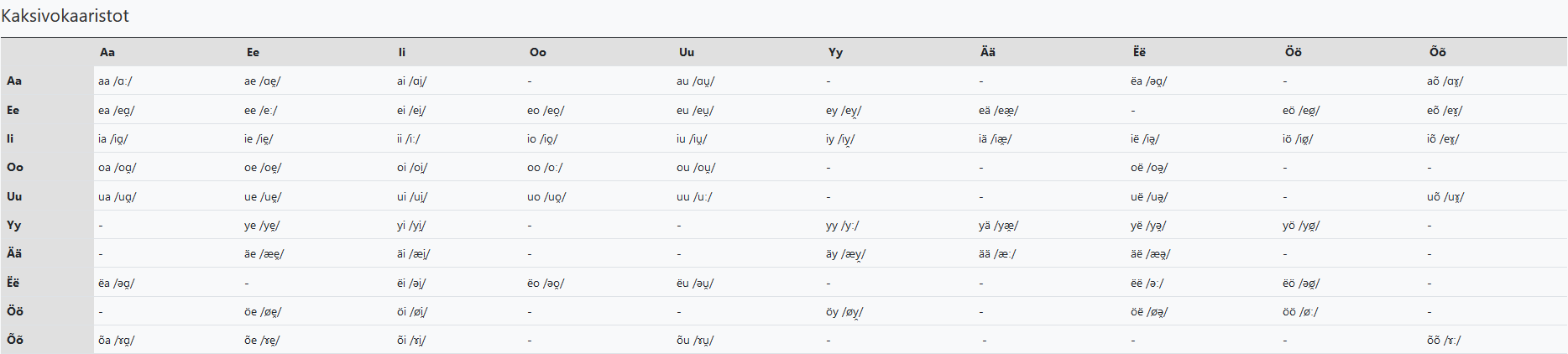
In native Sëmä origin words only these diphthongs may appear:
thanks for reading
shit i know
shit i dont know
if you wish to contact me for any reason, you can reach me at catsixnumbers@outlook.com
si tu veux me contacter pour toute raison, tu peux m'atteindre à catsixnumbers@outlook.com
jos epit kontaktinta minkäiti resonnille, saruttavoitinta catsixnumbers@outlook.comita